

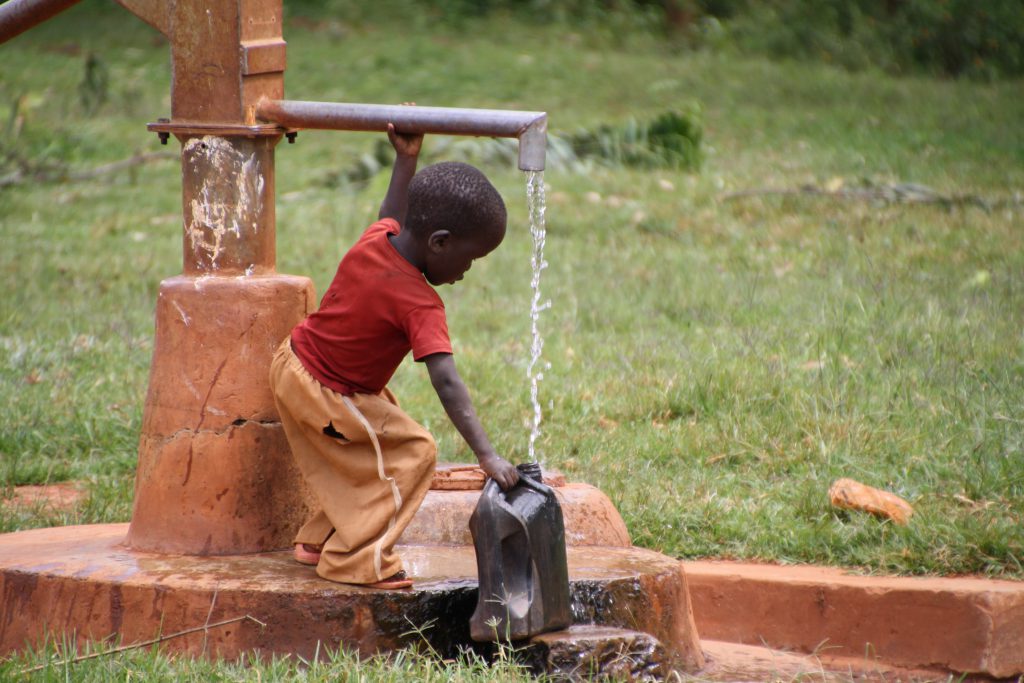
Nairobi, November 2, 2025—PRESS AFRICA— At the heart of East Africa, Kenya, long perceived as a model of growth, must now face a harsher social reality: poverty affects nearly 4 out of 10 Kenyans. In a context of inflation, fiscal pressure, and high debt, the poverty index reveals a worrying stagnation, and even a slight deterioration in the well-being of the society’s vulnerable segments.
Persistent Data: 39.8% in 2022
The latest official survey from the Kenya National Bureau of Statistics (KNBS) indicates an overall poverty rate of 39.8% for the year 2022, according to the national poverty line. This threshold places more than 20 million Kenyans in a situation where they are unable to meet basic vital needs, including food, housing, health, and education.
This proportion varies across different geographical areas. In rural areas, more than 42.9% of households lived below this threshold, while in urban areas, the share was approximately 33.2%. Among these populations, hundreds of thousands were in a situation of extreme poverty.
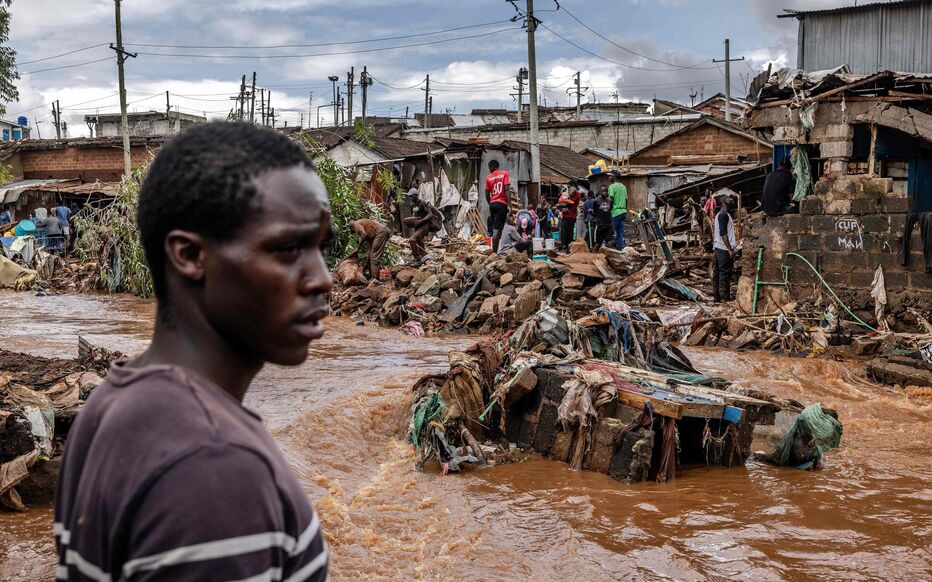
Multidimensional Poverty: Another Face of the Challenge
Beyond income, the Multidimensional Poverty Index (MPI) reveals that nearly a quarter, or 25.4% of the population, is considered « multidimensionally » poor—that is, simultaneously deprived of sufficient access to health, education, or decent living conditions. The national MPI is estimated at 0.113, with a relatively high intensity of deprivation in rural areas (where multidimensional poverty rates reach ~33.9%) compared to urban areas (~8.2%).
Between Hope and Setbacks: Trends and Pressures
Previous data suggested a decline in poverty between 2006 (approximately 47%) and 2019 (around 33%). But successive shocks, characterized by the COVID-19 pandemic, droughts, and global inflation, have halted this progress. In 2020, the rate rose to 42.9%, before partially decreasing in 2021 to 38.6% and then stagnating in 2022 at 39.8%.
For 2025, the outlook is mixed: although economic growth is maintained, albeit moderate, risks remain, particularly the high cost of debt, which constrains the scope for social policies. The need to create decent jobs and strengthen social safety nets is more urgent than ever.
Poverty affects nearly 40% of the Kenyan population according to the national line—a level that has stagnated after years of progress. The challenge is twofold: monetary poverty and multidimensional poverty (access to education, health, water, housing). The transition towards a sustainable reduction in poverty requires strategic investments in employment, resilient agriculture, education, and social protection.
By: Jaurès BOKO