
Ouagadougou, 03 November—PRESS AFRICA— The Burkinabe economy is characterized by a croissance of 3.8¨% of GDP that prevents a strong resistance, in a context of security tenduity and political mutation. Malgré les crises régionales, la croissance du pais reste positive, générée par l’agriculture, l’or et le secteur informal. Mais derrière ces signaux encouragingants, les faiblesses structurelles demeurent important.
The Strengths of a Resilient Economy
Two sectors in particular—a vital agricultural industry and a foundational gold sector—combined with an enterprising youth, currently form the strength of the Burkinabé economy.
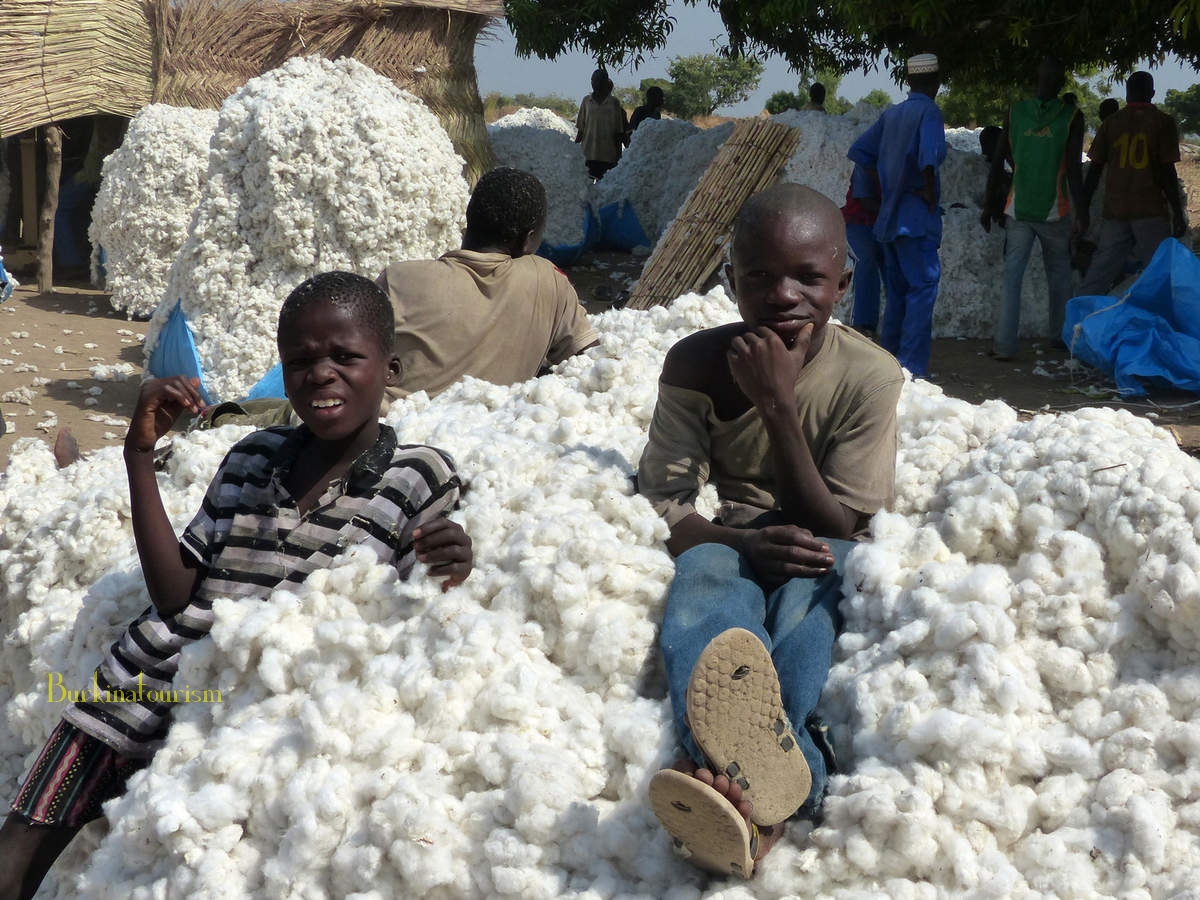
Agriculture, which accounts for 30% of the Gross Domestic Product (GDP), remains the economic heart of Burkina Faso, employing nearly 80% of the active population. Cotton, maize, millet, and sesame are key export pillars. Despite climate-related challenges, reforms in the cotton industry and the promotion of resilient crops have supported production and rural incomes.
As the second-largest gold producer in West Africa, Burkina Faso derives nearly 75% of its export revenue from the precious metal. In 2025, rising global gold prices and the modernization of certain mines helped stabilize public revenue, despite the closure of some sites for security reasons.
With an average age of 17, the country has considerable demographic potential. Young people under 25 make up 65% of the population. This youth demographic is increasingly venturing into the digital, agri-food, and local commerce sectors. Microfinance and business incubator programs are tentatively supporting this entrepreneurial drive.
Structural Weaknesses to Overcome
Overall, the challenging security context, excessive dependence on gold and agriculture, and still-high poverty levels are the weaknesses of the Burkinabé economy.
For several years, attacks in the northern and eastern parts of the country have disrupted trade and agricultural supply chains, leading to massive population displacement and a slowdown in investment. This factor remains the primary obstacle to sustainable growth.
The Burkinabé economy remains poorly diversified. Revenue from gold and cotton is vulnerable to international price fluctuations. A lack of industrialization and infrastructure limits local processing and thus the creation of stable jobs.
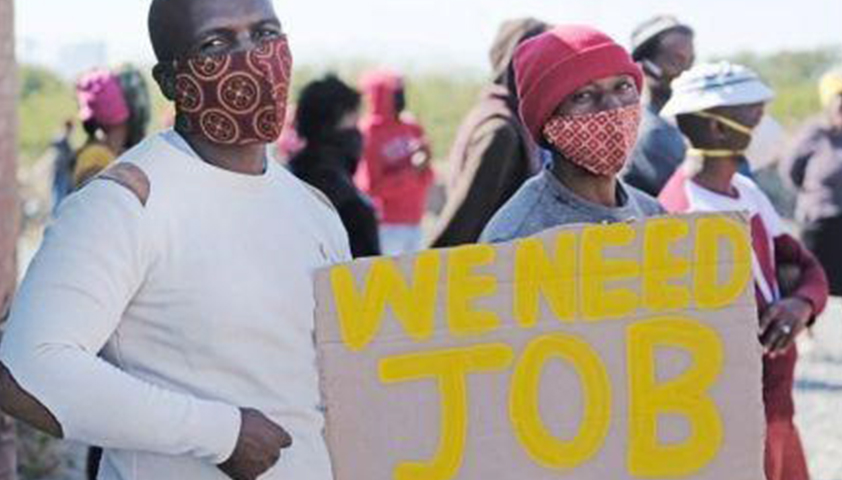
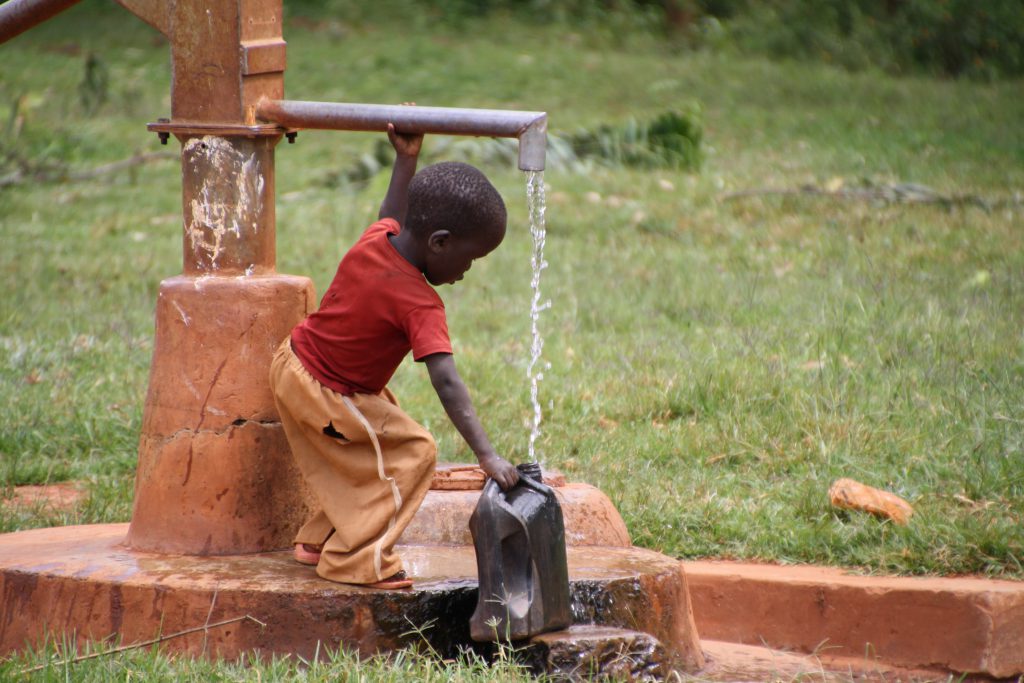
In 2025, over 35% of Burkinabè citizens live below the national poverty line. Access to electricity, clean water, and education remains unequal across regions. The informal sector, which accounts for over 90% of employment, reflects both the vitality and the precarity of the economy.
Outlook for 2026
Regional institutions forecast a growth of 4.5% for 2026, supported by an agricultural recovery and public investment.
However, political stability, security, and economic diversification remain essential conditions for transforming this growth into inclusive development.
By: Jaurès BOKO