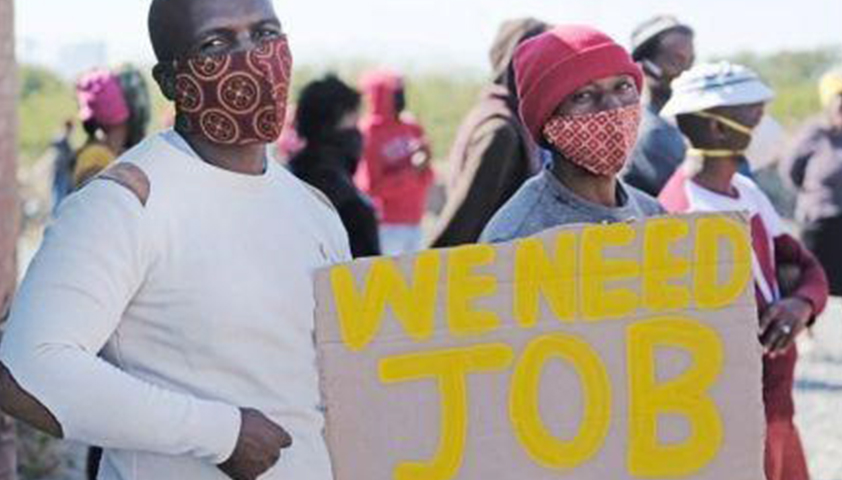

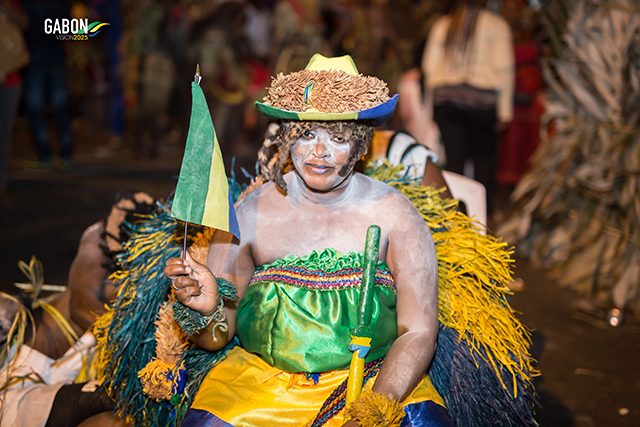
Libreville, November 3, 2025—PRESS AFRICA— In a country long dominated by oil, forestry, and mining exploitation, culture is progressively emerging as an economic and identity lever in Gabon. In 2025, as growth remains modest (≈ 2.9% in 2024) and more than a third of the population lives below the poverty line, the promotion of cultural heritage, arts, and tourism is beginning to find its place in the national diversification strategy.
A Sector in Search of Recognition
While precise figures for the “culture” sector’s isolated contribution to Gabon’s GDP are not yet available, several observations converge. Gabon, rich in forests, traditions, and biodiversity, possesses significant cultural potential to be leveraged, notably through ecotourism, the protection of intangible heritage, and the creative industries. The country is increasingly emphasizing economic diversification and identifies ecotourism, agro-industry, technology, and, implicitly, culture among the sectors with high potential. The formalization of culture as an economic factor still remains embryonic: few studies specify the share of arts, live performance, crafts, or museums in the GDP, which limits analysis but also highlights the room for growth.
Challenges and Opportunities
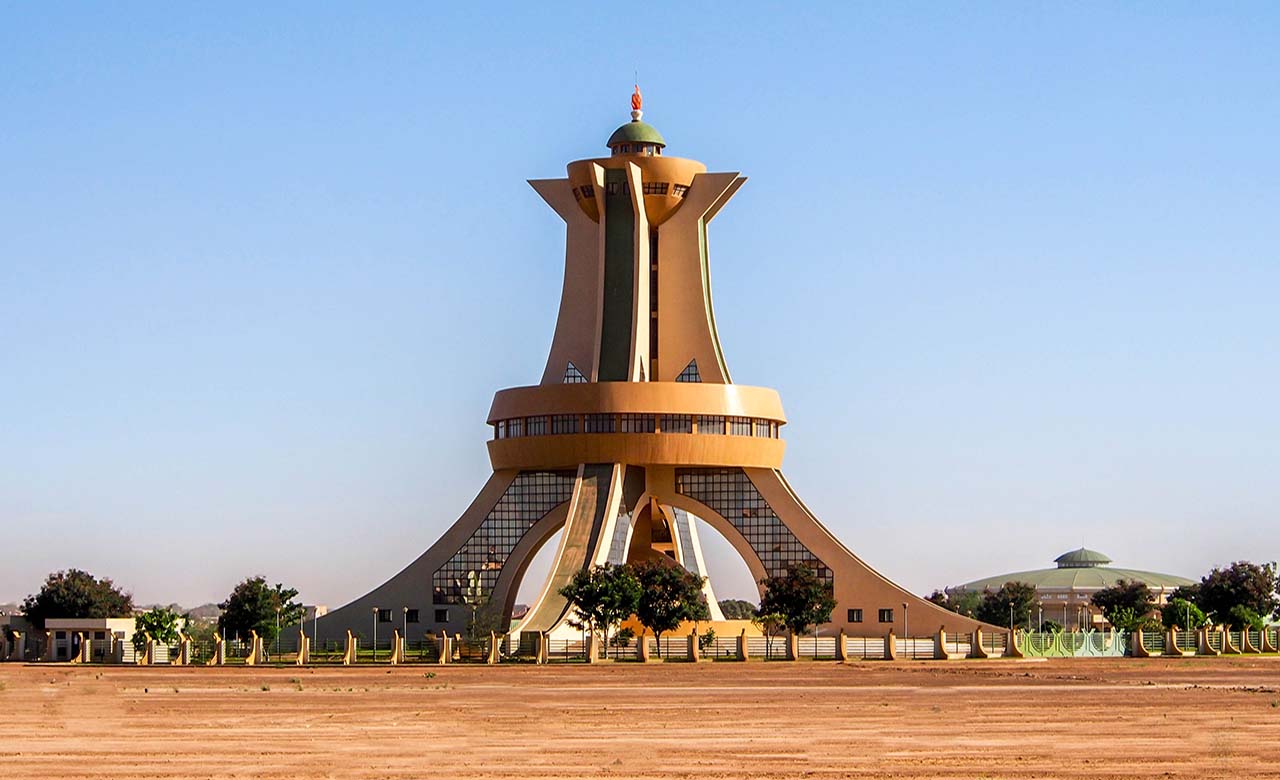
Culture presents several assets for the Gabonese economy. In the context of job and activity creation, museums, festivals, crafts, performances, and cultural tourism can generate local employment, particularly in peripheral or rural areas. Regarding international influence, Gabon can promote its heritage (indigenous peoples, traditions, biodiversity, contemporary art) to attract visitors and investors, thereby improving the country’s image. As for economic diversification, at a time when 97% of Gabonese exports come from oil, wood, and manganese, according to 2024 data, culture constitutes a vehicle for diversification. In any case, a synergy with the natural sectors is urgently needed. Cultural heritage is often linked to natural resources (forests, national parks, indigenous art); leveraging this combination opens up paths for a joint green and cultural economy.
Hurdles to Overcome
Several obstacles currently hinder the emergence of culture as an economic driver in Gabon. These include, among others, the lack of statistics: the absence of reliable indicators for culture’s share of the GDP or for the arts and creation sector limits the sector’s visibility; the lack of an institutional framework and funding: cultural institutions and entrepreneurs often lack support, dedicated financing, and training to structure economically viable projects; the dependence on natural resources: the Gabonese economy remains heavily dependent on oil and the export of raw materials, which reduces the relative appeal of sectors with higher cultural or creative intensity; and insufficient infrastructure to support logistics: cultural tourism or artistic events require infrastructure (accommodation, transport, communication) that the country still needs to strengthen.
Outlook for 2026-2030
The Gabonese government, as part of its post-transition development plan, intends to strengthen the digital economy, agro-industry, tourism, and, by extension, culture. The challenges will notably be to further integrate culture into national development strategies; to allocate specific resources (funds, incentives, training) to the creative industries; and to strengthen international partnerships to promote cultural heritage and support local actors.
In 2025, culture in Gabon is not yet a major, measurable pillar of the economy, but it is beginning to establish itself as an essential element of the national diversification and identity strategy. If the right conditions are met—funding, data, infrastructure, framework—the sector could become a driver of inclusive growth and influence for the country.
By: Jaurès BOKO