
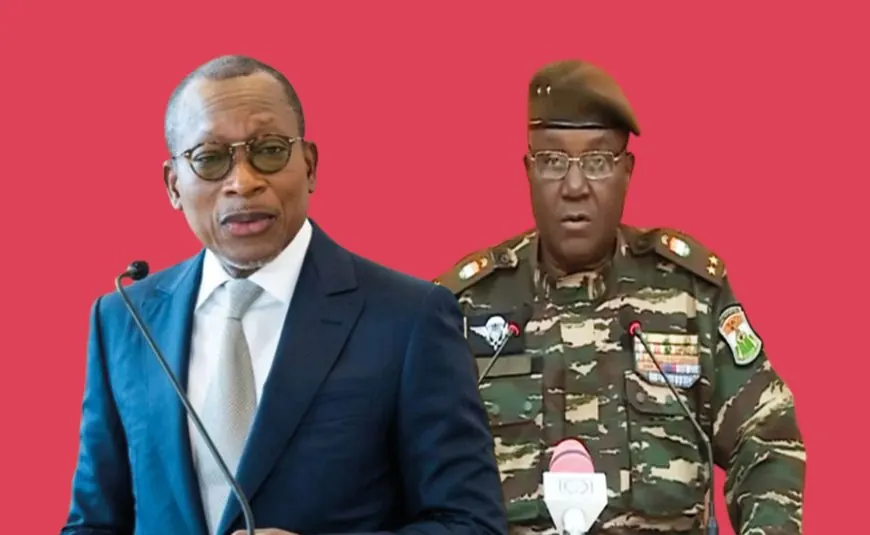
Niamey, 7 January 2026 —PRESS AFRICA— The diplomatic crisis between Niger and Benin, which has been simmering since the July 2023 coup and has intensified since 2025, has now entered a phase of open escalation, with the reciprocal expulsion of diplomats and the suspension of activities at Benin's embassy in Niamey.
This deterioration in relations between two neighbouring West African states points to significant political, economic and social consequences for the populations and economies of both countries, as well as for regional dynamics.
A diplomatic climate at a standstill
Relations worsened in early January 2026, after Niamey declared the chief adviser at Benin's embassy "persona non grata", in response to the earlier expulsion of two Nigerien officials in Cotonou. The diplomatic reprisals culminated in Benin's announcement that it was suspending the activities of its mission in Niamey, directly affecting consular services for Beninese nationals in Niger.
This standoff comes against an already fragile backdrop: the land border between the two countries has been closed for several years, and Niamey justifies the measure on security grounds and by accusations of "external threats" that Cotonou firmly rejects.
Economy and cross-border trade suffering
One of the most immediate effects of the crisis is the disruption of trade. Since the closure of the Nigerien border, the flow of goods transiting along the Benin-Niger corridor, notably through the port of Cotonou, has been considerably reduced, weighing on port revenue and on transport companies. Already in 2024, the drop in freight volumes had cut the Port of Cotonou's turnover by 10 to 15%, with a direct impact on Beninese and Nigerien economic operators.
For Niger — a landlocked country that depends on transit corridors to import essential goods — the situation raises logistics costs and could fuel inflation in basic necessities if no effective alternative is put in place. On the Beninese side, businesses linked to transit and logistics are seeing their margins squeezed, which could hold back local growth in border regions.
Local communities and restricted mobility
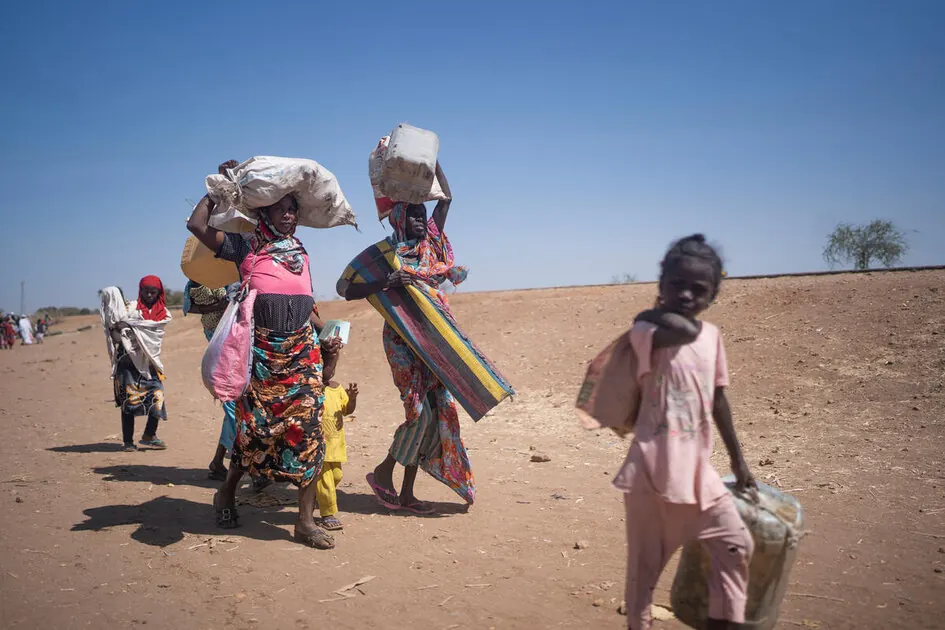
Beyond the economic impact, people on both sides of the border are directly affected. Many families and trading networks that relied on cross-border exchanges are forced to take detours or give up certain economic activities. The prolonged closure has also reduced mobility for workers, students and patients needing care.
The suspension of consular services further complicates access to administrative documents for Beninese nationals living in Niger, as well as visa and assistance procedures, threatening the legal and social security of these communities.
Regional security and diplomatic consequences
Politically, the crisis fits into a broader context of tension in West Africa, where political transitions and attempted insurrections have weakened regional cooperation. The inability to maintain a constructive dialogue between Niamey and Cotonou risks undermining security cooperation mechanisms, notably in the fight against cross-border insecurity and the spread of armed groups in the Sahelian and Sudanian regions.
Moreover, the lack of consultation between the two governments may reduce the effectiveness of sub-regional initiatives, notably within the Economic Community of West African States (ECOWAS), on sensitive issues such as security, migration and regional infrastructure.
Ways out: mediation and political deadlines
Several analysts and regional players believe the current situation calls for more mediation than antagonism in order to restore normal relations. Mediation attempts have been reported in the past, but have not yet produced lasting progress. Some observers believe Benin's elections in April 2026 could be a window to relaunch bilateral dialogue, while others call on sub-regional institutions to step up their efforts to avoid a prolonged isolation of Niamey and its collateral effects.
Far from being an isolated dispute, the diplomatic crisis between Niger and Benin has deep implications for the economy, social stability and regional security. If it is not quickly resolved, this breakdown of trust could hold back the development of both countries and further weaken a region already facing major economic and security challenges. The road to normalised relations remains winding, but it is essential for the prospects of West African cooperation in the short and medium term.
Writer: BAWA ALLAH Khadidjatou A.

Leave a Comment