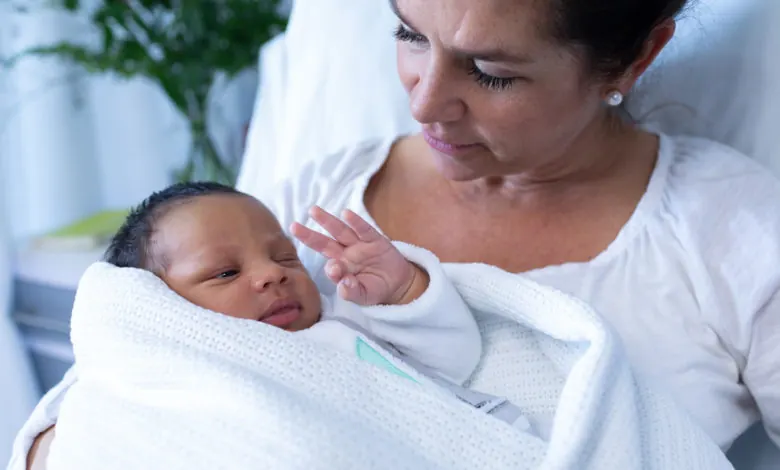
Port Louis, 24 November 2025 – PRESS AFRICA – Often cited as one of the best-performing health systems in the Indian Ocean, Mauritius continues to face a major issue: maternal and child mortality. Despite regular investment, modern infrastructure and near-universal health coverage, the island nation is still struggling with preventable deaths during pregnancy, childbirth and in the first weeks of a newborn's life.
A country ahead of the curve, but not out of danger
Mauritius has a health system that is free of charge to the entire population, a rare asset in the region. Progress made in recent decades, including the expansion of regional hospitals, the strengthening of community-based medicine and vaccination programmes, has significantly reduced maternal and infant mortality rates.
However, some indicators have stagnated for several years, showing that improvement is no longer as rapid. Health authorities acknowledge that the country is reaching a "zone of resistance", where the challenges become more complex and multifactorial.
Obstetric complications: the leading cause of maternal death
The causes linked to maternity remain relatively similar to those seen in other middle-income countries: postpartum haemorrhage, hypertension and pre-eclampsia, infections related to childbirth, and pre-existing conditions aggravated by pregnancy.
While Mauritian hospitals have well-equipped obstetric units, specialists sometimes point to delays in care, particularly in rural areas or among women with comorbidities. The rise of diabetes and hypertension in the general population also complicates the monitoring of pregnancies.
Infant mortality: the toll of premature births
For newborns, the first 48 hours are the most critical.
The factors cited include prematurity, low birth weight, respiratory distress, neonatal infections and congenital malformations.
Mauritius has relatively high-performing neonatal services, but health professionals stress that the quality of antenatal care on the mother's side strongly determines newborn survival, particularly in low-income families.
Social and cultural disparities
Even though access to care is free, some inequalities persist. These include differences between urban areas and more isolated villages, delays in antenatal consultations, a lack of health education, taboos around pregnancy in some communities, and difficulties with transport or family availability. Teenage mothers also remain more vulnerable, exposed to obstetric risks and irregular follow-up.
The growing role of non-communicable diseases
Mauritius is among the countries with the highest rates of diabetes and obesity in the Indian Ocean. These non-communicable diseases (NCDs) have a direct impact on maternal health and foetal growth. The increase in high-risk pregnancies among overweight or diabetic women partly explains the stagnation of progress in reducing maternal and child deaths.
Sustained efforts, but more is needed
The Mauritian government is stepping up initiatives such as early antenatal monitoring campaigns, improvements to neonatal intensive care units, ongoing training of health personnel, the promotion of family planning, and awareness programmes in schools and communities. In addition, partnerships with international organisations support the development of new epidemiological surveillance strategies.
However, experts insist on the need to go further:
strengthening NCD prevention among women of childbearing age, modernising some hospital equipment and improving coordination between primary health centres and hospitals.
A challenge for Mauritius's health future
Reducing maternal and child mortality remains an essential indicator of the country's social development. While Mauritius has climbed to the ranks of Africa's most advanced nations in public health, it must now take on a new stage: guaranteeing every woman and every newborn an optimal level of care, with no gaps or delays.
Writer: Saïd TESSILIMI
Leave a Comment