
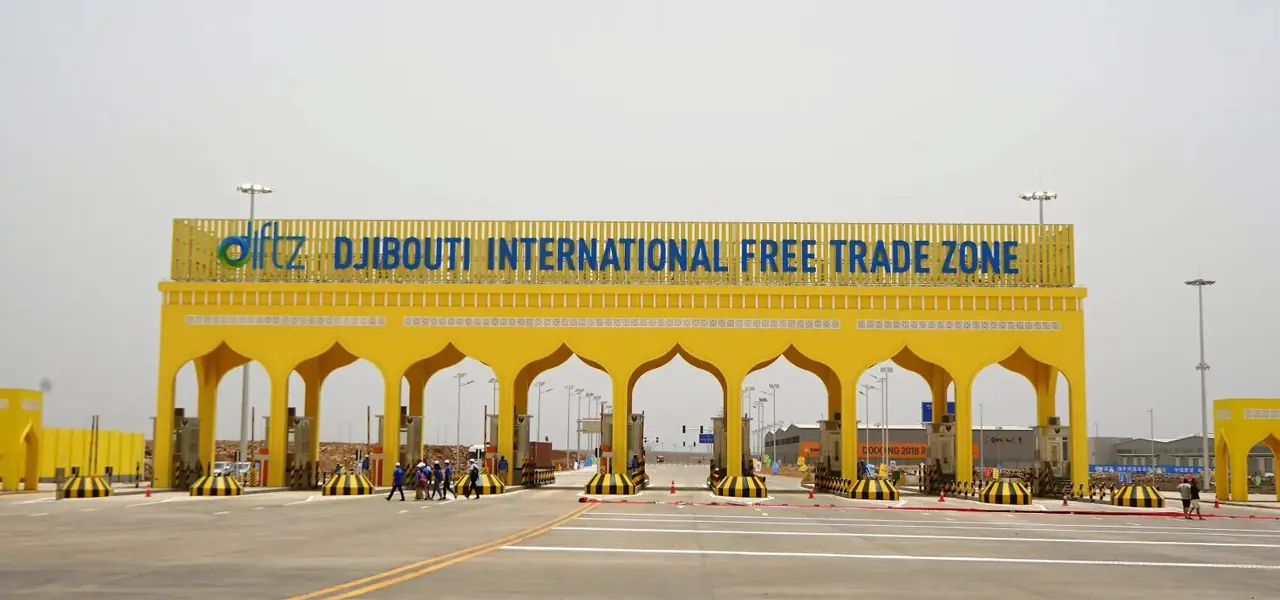
24 November 2025 —PRESS AFRICA— Djibouti, a small strategic nation in the Horn of Africa, has established itself as a major logistics and trade hub thanks to its ports and its proximity to international shipping routes. However, despite its assets, the country presents specific risks that deserve particular attention for any economic initiative.
Geopolitical and security risks
Djibouti's stability is influenced by the volatile situation in the region, notably in Somalia and Ethiopia. Companies must avoid underestimating the potential impact of regional tensions on maritime transport, cross-border trade and the safety of expatriates. Recommendation: it is important to regularly assess geopolitical alerts and establish security protocols for teams and critical infrastructure.
Economic concentration and sectoral dependence
The Djiboutian economy depends heavily on port activities and on logistics linked to foreign military bases. This dependence makes the country vulnerable to external shocks and to fluctuations in international markets. To address this, investments need to be diversified across different sectors (renewable energy, ICT, resilient agriculture) to reduce vulnerability and increase economic resilience.
Social and environmental challenges
Unemployment, social inequality and internal migration remain major issues. In addition, drought and water stress are persistent environmental risks that can affect local production and social stability. On this front, sustainable practices and corporate social responsibility (CSR) initiatives should be built in to strengthen local acceptance and minimise environmental impacts.
Regulation and transparency
Despite business-friendly reforms, bureaucracy and some risks of corruption remain, especially in sectors with heavy interaction with public authorities. To this end, it is urgent to comply scrupulously with local standards, adopt internal audits and work with reliable local partners to secure operations.
Logistics and infrastructure
Although Djibouti has high-performing ports, inland infrastructure remains limited for some industrial and agricultural zones. Companies must anticipate transport and storage constraints. Ideally, tailored logistics strategies should be put in place in partnership with local operators, along with investment in efficient storage and transport solutions.
Djibouti offers considerable potential for international investors and businesses, thanks to its strategic position and port assets. However, a cautious and structured approach is essential. Understanding the geopolitical, social and environmental risks, diversifying investment sectors and adopting practices that comply with local regulations are key factors in securing and sustaining projects in this fast-expanding market.
Writer: Saïd TESSILIMI



Leave a Comment