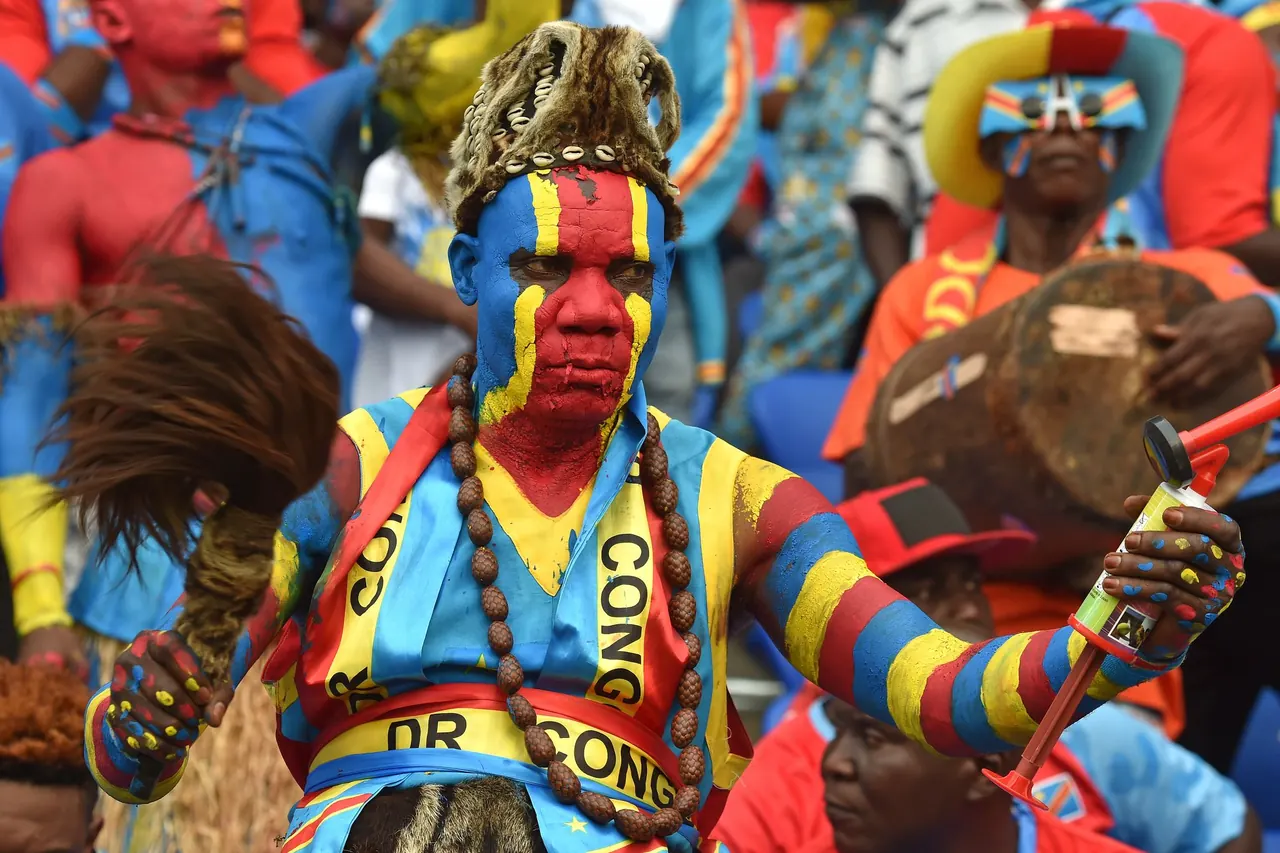
Brazzaville, 8 December 2025 (PRESS AFRICA) Congo's cultural economy is establishing itself as a strategic sector at the heart of national ambitions for economic diversification in 2025. Long relegated to a secondary role behind hydrocarbons, the cultural sector is now emerging as an engine of growth, innovation and diplomatic influence, driven by a creative youth and a political will to showcase the national heritage.
A sector taking shape
Since 2023, the Congolese government has launched several reforms to structure the creative industries. In 2025, these efforts are reflected in the consolidation of the Arts and Culture Development Fund, the gradual professionalization of those working in the sector and the introduction of new standards governing audiovisual production, copyright and intellectual property. The goal: to make culture a fully integrated economic sector, capable of generating revenue, jobs and international appeal.
Private cultural organizations and artists' associations also play an important role in the ecosystem, particularly in music, independent film, fashion and the visual arts. In Brazzaville as in Pointe-Noire, studios and galleries are multiplying, training a new generation of creators connected to African and global trends.
Music and audiovisual: promising sectors
Congolese music, already renowned across the continent, is seeing the rise of new digital distribution platforms in 2025, encouraging artists to produce and market their work independently. Ndombolo and Congolese rumba are benefiting from greater visibility thanks to social media, while young talents are standing out in urban styles, spurred by regional collaborations with Central Africa, West Africa and the diaspora.
Film and audiovisual are also enjoying renewed energy, driven by training initiatives, local festivals and the arrival of new private players. Congolese filmmakers are exploring contemporary social themes and attracting growing interest from African festivals, which helps strengthen the country's cultural identity on the international stage.
Arts, heritage and cultural tourism
At the same time, the promotion of tangible and intangible heritage is a major pillar of the cultural economy. Historic sites, museums and art centers are attracting more visitors, while renovation projects are under way thanks to international partnerships. Cultural tourism, though still developing, is seen as an opportunity to diversify the economy and create new jobs.
A sector still fragile but promising
Despite this progress, the Congolese cultural sector still faces challenges: insufficient funding, limited infrastructure, persistent informality and restricted access to technology. Nevertheless, the dynamics of 2025 show a clear trend: culture is becoming an emerging economic pillar, a space for inventiveness and a strategic tool for Congo's diversification and influence.
Writer: BAWA ALLAH Khadidjatou A.

Leave a Comment