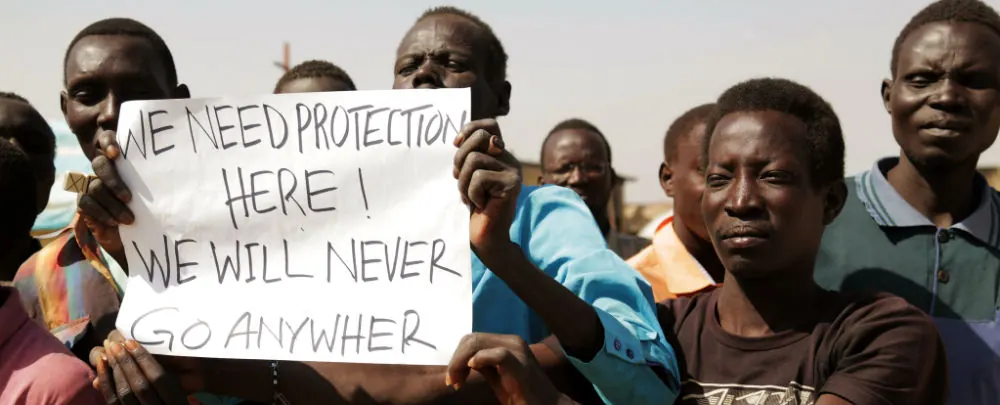
Juba, 7 January 2026 (PRESS AFRICA) As South Sudan prepares for historic elections in December 2026, the security and political situation remains extremely fragile, a grim warning to any diplomatic or economic venture in this East African country.
A climate of crime and persistent tension
The French authorities, among other travel advisory services, formally advise against all non-essential travel to most of South Sudan, pointing to a high level of violence and criminal acts in key areas such as Juba, Aweil, Wau and Yambio. Almost the entire country is classified as a red zone for security, because of armed attacks, kidnappings and intercommunal violence.
These recommendations echo an internal context marked by ongoing clashes between various militias and political-military factions, as well as by crime often linked to endemic insecurity and the absence of effective state control over large parts of the territory. The arrest, charges or trials of key political figures, such as former vice president Riek Machar, indicted on serious charges including treason and violent crimes, illustrate the permanent tension undermining national cohesion.
Extended transition: democracy on hold
South Sudan, the world's youngest state since its independence in 2011, has seen its political transition extended by two years, pushing back the first national elections, originally scheduled for December 2024, to December 2026. The decision, endorsed by the Revitalized Transitional Government of National Unity, is intended to allow more time to put electoral structures in place, carry out the census and finalize essential constitutional reforms.
However, the extension has drawn growing criticism from civil society and international organizations. At the United Nations, observers have stressed that continued delays in implementing the 2018 Revitalized Peace Agreement are eroding citizens' confidence in the democratic process and risk fueling deep skepticism about the government's ability to hold free, fair and credible elections.
Toward elections under high tension
The authorities present the December 2026 elections as a pivotal step toward political normalization after years of civil conflict and an interminable transition. Yet several major obstacles remain. Beyond patchy security, institutional fragility and unfinished electoral preparations explain fears of a vote that could be disrupted by violence and political manipulation.
Tensions between rival political factions, the persistence of armed militias and a restricted civic space make the prospect of peaceful elections uncertain, according to several experts. Without a tangible strengthening of security and democratic guarantees, the vote could become an internal flashpoint rather than a step toward stability.
For diplomats, investors and humanitarian organizations, a storm warning hangs over South Sudan. Between active crime, security challenges and a prolonged political transition, any initiative in the country must be planned with extreme caution. The year 2026, supposed to mark a decisive turning point with the presidential election, is already shaping up as a critical test for the country's peace, security and democratic future.
Writer: BAWA ALLAH Khadidjatou A.
Leave a Comment