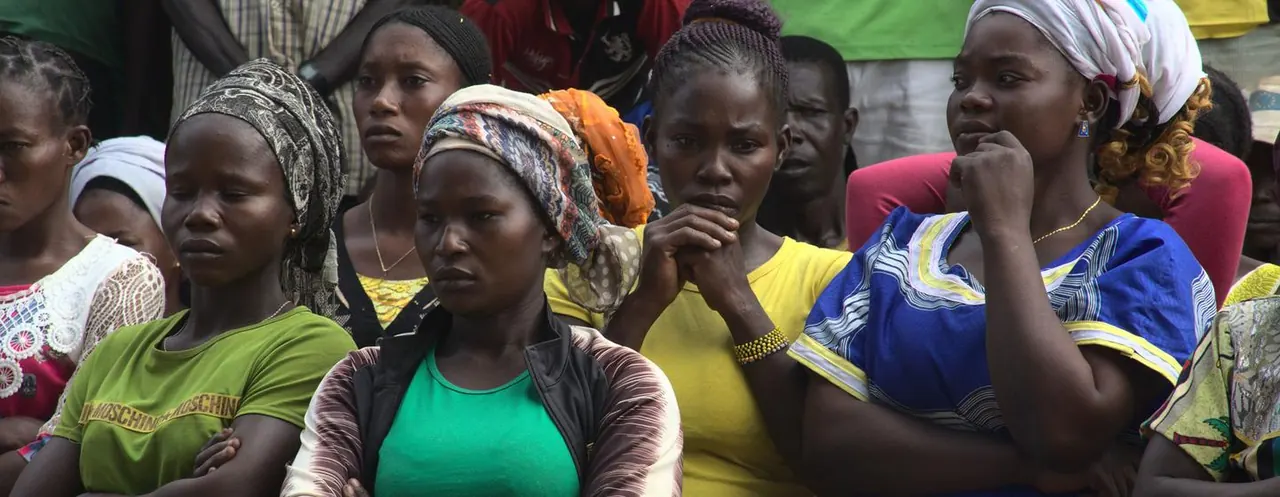
Bangui, 8 December 2025—PRESS AFRICA—The Central African Republic (CAR) remains in the grip of a deep social crisis in 2025, but some initiatives bring a glimmer of hope in a highly fragile context. Between poverty, food insecurity, population displacement and international support, the social impact on the lives of Central Africans is massive and multifaceted.
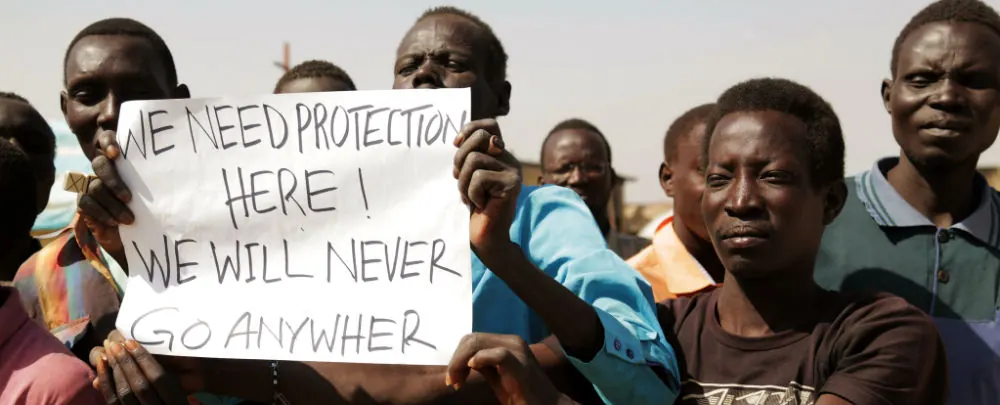
According to World Bank data, about 71% of the population lives in extreme poverty, combining monetary and non-monetary deprivation, including insufficient access to sanitation (69.9%) and electricity (87.7%). The humanitarian situation is worsened by mass displacement: as early as January 2025, there were more than 436,000 internally displaced people as well as around 680,000 refugees or asylum seekers.
Food insecurity remains a major challenge. The World Food Programme (WFP) warns that in 2025, 2.3 million Central Africans (35% of the population) could face acute food insecurity, including 431,000 people in emergency (IPC Phase 4) without a boost in aid.
In response, the WFP is advocating long-term initiatives: distribution of agricultural assets, strengthening of water and hygiene systems, social safety nets and school canteens to stabilise vulnerable families. Children's health and nutrition are particularly alarming: according to UNICEF's report, 38% of children under five suffer from chronic malnutrition, a factor that seriously compromises their development.
The maternal mortality rate (835 per 100,000 live births) and the under-five mortality rate (116 per 1,000) are among the highest in the world. This vulnerability is compounded by an extremely limited health system: according to one analysis, there are fewer than 0.05 doctors per 1,000 inhabitants, while many health centres are closed or destroyed.
Faced with these challenges, reinforcements are being provided through international aid: the World Bank has released a $30 million grant for an adaptive social safety nets project in the CAR, targeting around 45,000 vulnerable households in very poor rural regions.
In addition, a $70 million grant supports the PROVIR project ("inclusive and resilient cities"), aimed at improving access to basic services in urban areas exposed to climate hazards, notably Bangui and Berbérati, while also assisting internally displaced people, women and young people.
On the strategic front, the National Development Plan (PND) 2024-2028, adopted in June 2025, aims to strengthen human development, diversify the economy and improve governance, building on lessons learned from earlier peacebuilding phases.
Despite these efforts, structural challenges persist: the country remains heavily dependent on external aid (nearly 40% of the national budget comes from international aid according to some analyses), and social protection mechanisms are still embryonic.
The social impact in the CAR in 2025 is characterised by a constant tension between the severity of needs and the gradual rise of structural solutions. Humanitarian aid remains vital today, while investments in resilience, social protection and human development offer a measured but tangible hope to Central Africans.
Reporter: BAWA ALLAH Khadidjatou A.
Leave a Comment