
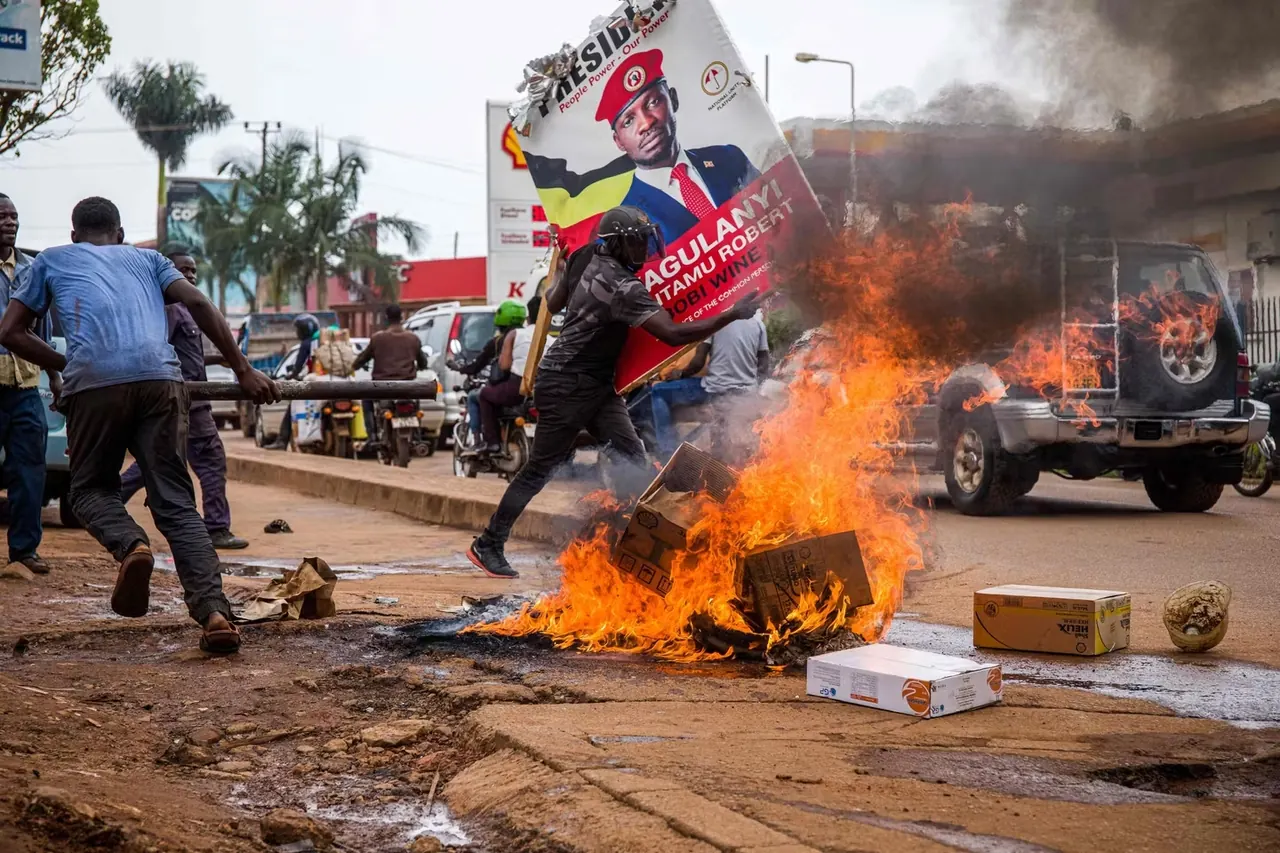
Kampala, 7 January 2026 —PRESS AFRICA— A few days before 15 January 2026, the date set for Uganda's general elections, the political climate is deteriorating rapidly, marked by an escalation of pre-election violence, mass arrests of opposition activists and restrictions on fundamental freedoms. These tensions recall previous cycles in which politics and armed clashes became intertwined, threatening the holding of a peaceful and credible poll.
Tightening repression of the opposition
International organisations, including Amnesty International, have documented a persistent campaign of repression against members and supporters of the National Unity Platform (NUP), the main opposition party led by Robert Kyagulanyi, known as Bobi Wine. Security forces have used tear gas, dogs and physical force to disperse political gatherings, resulting in arbitrary arrests, torture and other ill-treatment of peaceful civilians.
According to these reports, hundreds of people have been detained for taking part in rallies or simply for being perceived as NUP supporters, a worrying sign of restrictions on freedom of assembly and expression.
Media restrictions and control of information
Press freedom is also under intense pressure. In the days leading up to the vote, the Ugandan authorities imposed a ban on live broadcasts of violence and demonstrations, citing the need to avoid panic. The measure, denounced by human rights groups, is seen as an effort to control access to information at a crucial moment.
Earlier incidents documented by watchdog organisations have shown that journalists and election observers have been physically assaulted or prevented from covering political events, contributing to an atmosphere of censorship and intimidation.
The role of the security forces and official justifications
The Ugandan authorities and the police acknowledge some incidents of violence, including assaults on officers and damage to property during campaigns. They say they are acting to maintain public order and prevent provocations that could get out of hand. However, these justifications are criticised by observers, who consider that the security measures are often disproportionate and target mainly the political opposition.
Communal violence and patronage
Beyond state repression, local investigations point to the role of vigilante youth groups and paid supporters who take part in acts of violence or in disrupting rival campaigns. These groups, sometimes recruited as a form of "political insurance", contribute to the escalation of clashes between rival camps.
Consequences for the credibility of the election
This context of multiple tensions — security crackdowns, media restrictions, violence between supporters — raises serious questions about the transparency and legitimacy of the electoral process. Many observers believe that the use of force to intimidate the opposition and citizens undermines confidence in democratic institutions and could produce a vote tainted by suspicions of unfairness.
As Uganda prepares to hold elections that promise to be crucial for the country's political future, the rise in pre-election violence and restrictions on fundamental freedoms paints a worrying picture. In a country led for more than four decades by President Yoweri Museveni, the credibility of the electoral process and the future of Ugandan democracy are more uncertain today than ever.
Reporter: BAWA ALLAH Khadidjatou A.

Leave a Comment