Mbabane, 15 November 2025—PRESS AFRICA— In the small kingdom of Eswatini, formerly Swaziland, public health remains one of the most fragile areas of national governance. Despite some progress in medical coverage and in the fight against the major pandemics, the country faces a limited healthcare base, unable to meet the growing demand of a population undergoing demographic change.
An undersized health system
With a little over 1.2 million inhabitants, Eswatini has 30 public hospitals and around 300 primary healthcare centres, according to Ministry of Health figures. In theory these facilities cover the whole territory, but in practice they are often poorly equipped, understaffed and lacking essential medical resources.
The country devotes less than 8% of its national budget to health, a ratio below African Union recommendations. "Our hospitals are overwhelmed, especially in rural areas where a single doctor sometimes serves more than 15,000 people," laments Dr Nhlanhla Dlamini, a practitioner at Hhohho Regional Hospital.
The persistence of the major pandemics
Eswatini remains one of the countries most affected by HIV/AIDS in the world, with a prevalence of around 26% among adults. While the government has succeeded in making antiretrovirals widely available, the health system continues to bear the weight of this pandemic, which absorbs a large share of medical resources.
Prevention campaigns have reduced the number of new infections, but the country must now confront a resurgence of non-communicable diseases — diabetes, hypertension, cancers — for which screening and treatment equipment remains scarce.
"We focused our efforts on HIV for decades, but other silent diseases are now taking over," warns Sibongile Maseko, head nurse at Manzini Hospital.
Ageing infrastructure and a glaring shortage of equipment
In several public facilities, operating theatres and laboratories are more than twenty years old. Stock-outs of essential medicines are frequent, particularly in rural areas.
Power cuts and a lack of drinking water further complicate care. In Nhlangano, for example, patients sometimes travel more than 50 kilometres to find a centre with even a basic X-ray machine.
Medical staff, chronically understaffed, face a gruelling workload. Many choose to emigrate to neighbouring South Africa, which pays better. This brain drain further weakens an already breathless system.
Modernisation efforts still timid
King Mswati III's government launched the "National Health Improvement Plan 2023-2028" in 2023, a programme to modernise infrastructure and strengthen medical staffing. Several regional hospitals are to be renovated, and a pilot digital hospital project has been launched in Mbabane with World Bank support.
However, for lack of sustainable funding, these initiatives are moving slowly. Partnerships with the Global Fund and the World Health Organization (WHO) help ensure the continuity of essential care, but dependence on external aid remains worrying.
"Eswatini must invest more in its own health system. Without financial autonomy, we will not be able to build a solid healthcare base," says Dr Nomusa Simelane, a health economist.
Rural health, the great forgotten area
In mountainous and remote areas, the situation is even more critical. A lack of passable roads, transport and medical centres leads many residents to turn to traditional medicine.
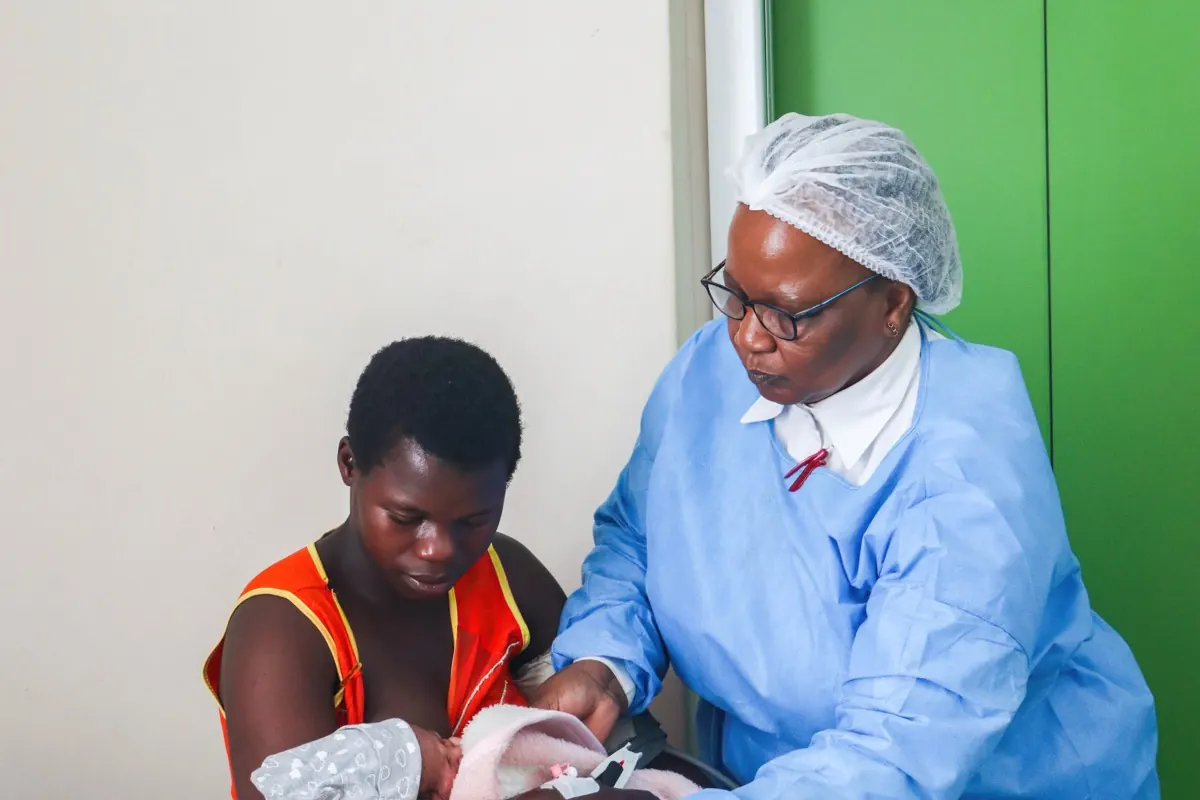
Community midwives still handle nearly 30% of births outside hospital facilities. While their role is essential, obstetric complications remain frequent and maternal mortality remains high: around 300 deaths per 100,000 live births, according to the WHO.
A youth in need of care and hope
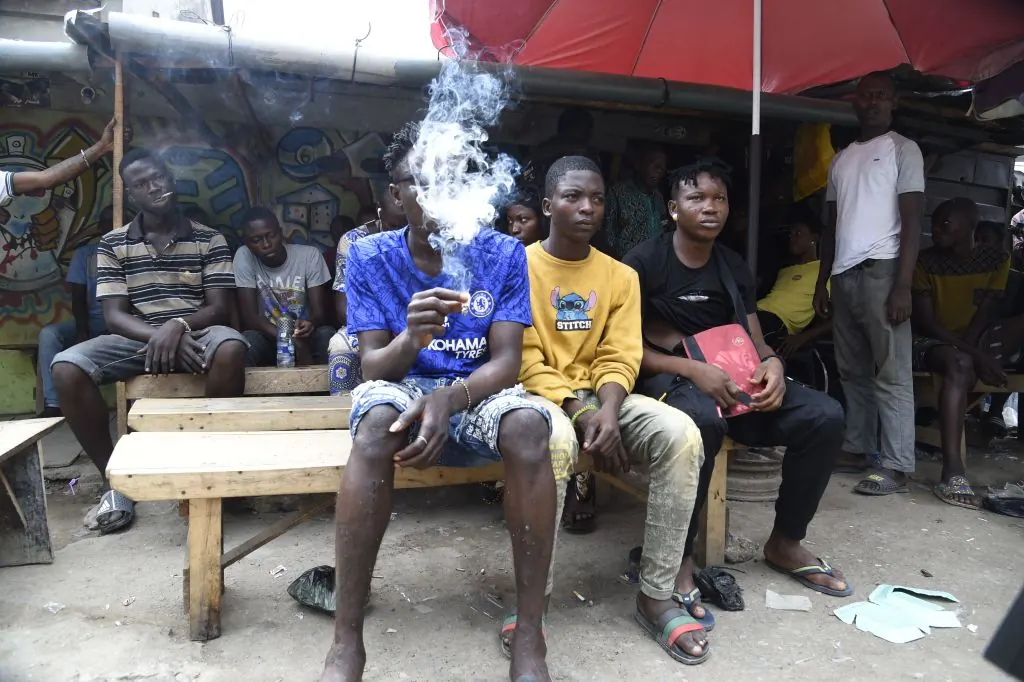
Young people, who make up more than 50% of the population, are particularly vulnerable. Unemployment, early pregnancies and sexually transmitted infections weigh heavily on health services.
Local initiatives, such as the "Youth Health Corners" programme, have emerged to offer tailored medical and psychological support, but their coverage remains limited to a few urban districts.
A health system to be rebuilt…
Eswatini faces a structural health challenge: modernising its health system while preserving the gains in the fight against HIV and meeting the new needs of a young and vulnerable population. Without a strong budgetary commitment, better staff training and stronger rural infrastructure, the kingdom's healthcare base risks remaining fragile and unequal. But behind the cracks, hope remains: that of a generation of health workers, NGOs and citizens determined to build, step by step, a health system worthy of the resilience of the Swazi people.
Writer: Saïd TESSILIMI

Leave a Comment