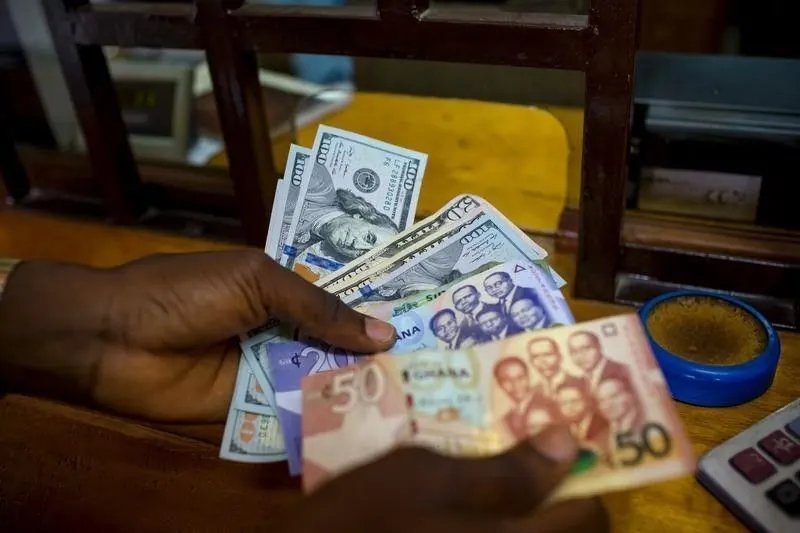
Accra, 7 January 2026 (PRESS AFRICA) The year 2025 will be remembered as a turning point for Ghana's currency, the cedi (GHS), which performed exceptionally well against the main international currencies, marking one of the most significant rebounds in its modern history and reflecting the country's macroeconomic recovery.
A spectacular turnaround in the exchange rate
After a period of heavy pressure, marked by sharp depreciation in previous years, the cedi appreciated dramatically throughout 2025. Over the first eleven months of the year, the currency gained more than 32% against the US dollar, closing November at around GHS 11.12 to the dollar on the interbank market, a much stronger level than at the start of the year.
This performance places the cedi among the best-performing African currencies of the year, reflecting not only improved market confidence but also the impact of the monetary and economic policies pursued by the authorities.
Monetary policy and stabilization
The Bank of Ghana played a central role in this turnaround. Faced with persistent inflation early in the year, the central bank maintained a strict monetary policy with a high policy rate (28%) to anchor inflation expectations and support the local currency.
At the same time, direct interventions on the foreign exchange market, notably regular sales of foreign currency and better foreign exchange supply through targeted programs, helped restore liquidity and curb the cedi's volatility.
Inflation sharply down, stronger economic outlook
The cedi's strong appreciation had positive repercussions for the domestic inflation environment. After persistent double-digit rates, headline inflation began to fall during the year, reflecting a stronger cedi, consistent monetary policies and restored macroeconomic stability.
Moreover, this monetary stability comes within a broader economic context in which Ghana's economy is showing signs of recovery after a deep crisis. Economic authorities have highlighted improving indicators, including robust economic growth forecast for 2026 and the gradual return of investor confidence.
External factors and structural contributions
The cedi's performance in 2025 cannot be attributed solely to domestic measures. The rise in global gold prices, Ghana's main export product, also played a crucial role by increasing foreign currency earnings, thereby strengthening the cedi's position on the international market.
Other factors, such as the accumulation of international reserves and tighter fiscal management, supported this positive trajectory, even though risks linked to high imports and global market volatility persist on the horizon.
A broadly positive picture, with challenges ahead
In sum, 2025 was the year of a historic turnaround for the cedi, symbolizing a significant improvement in Ghana's economic momentum. The cedi's appreciation, combined with declining inflation and a more stable macroeconomic climate, marks a major step forward after several years of turbulence.
However, economic authorities remain vigilant: the durability of this performance will depend on Ghana's ability to maintain strong fundamentals, diversify its sources of foreign currency and pursue structural reforms that support competitiveness and resilience to external shocks.
Writer: BAWA ALLAH Khadidjatou A.



Leave a Comment