Malabo, 2 November 2025—PRESS AFRICA— In 2025, small and medium-sized enterprises (SMEs) remain the backbone of African economies; they create jobs and local innovation and form links in regional value chains. As public policy and donors seek to close the vast gap in financing and infrastructure, certain sectors stand out as particularly promising for SMEs: they combine growing demand, relatively low barriers to entry and opportunities to move up the value chain. A tour of the opportunities to seize.
Agri-food and agro-processing
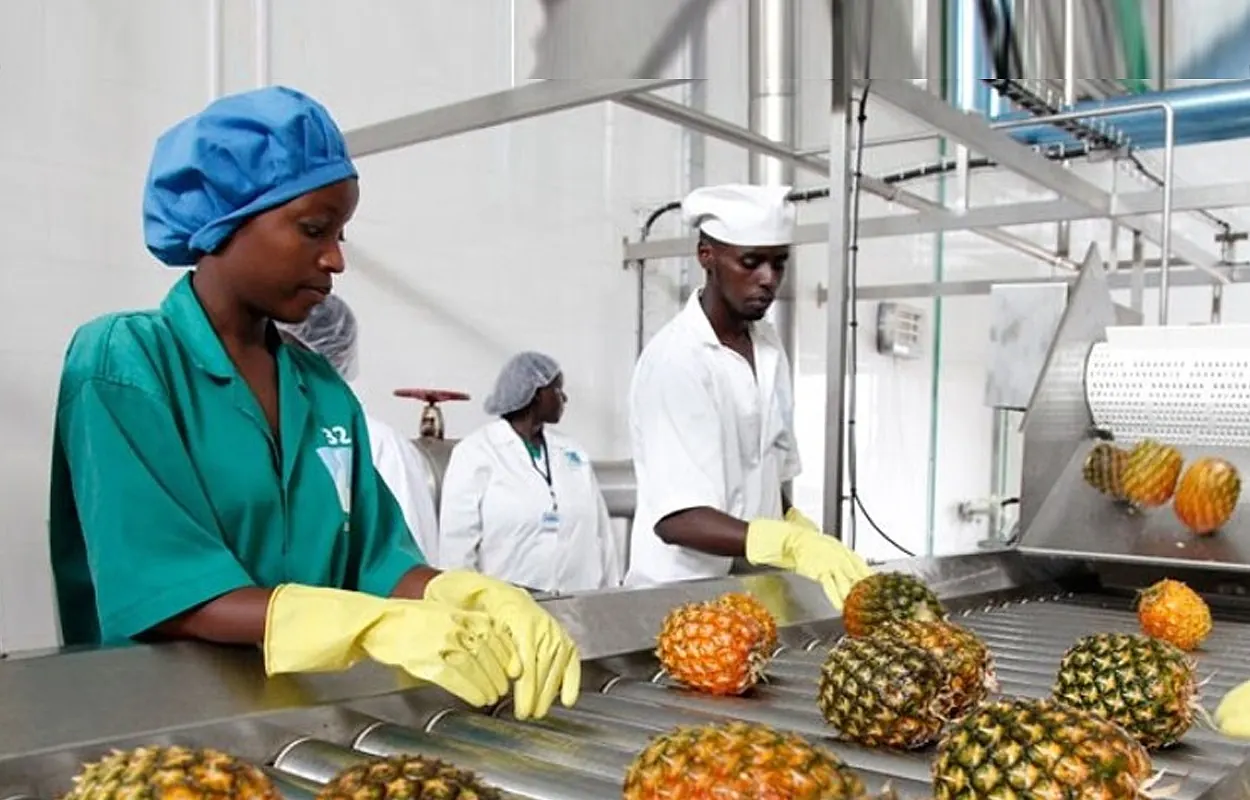
Agri-food remains the most logical option for many African SMEs: processing raw materials locally (cereals, fruit, dairy products) creates added value, reduces imports and meets fast-growing domestic and regional demand. SMEs that specialise in preservation, packaging, cold logistics and climate-resilient farm inputs are finding stable outlets, notably through short supply chains, local markets and regional exports. Targeted value-chain financing and technical support (standards, certifications) are decisive levers.
Renewable energy
The rise of decentralised solar, mini-grids and storage solutions opens up a broad field for SMEs: installation, maintenance, local manufacturing of simple components, financing of pay-as-you-go appliances and energy-efficiency services. The potential is twofold: serving the 600 million people still without electricity and providing cheaper, more reliable energy to businesses. The green transition also stimulates opportunities in light electric mobility and sustainable construction. Reports show that the "green economy" could generate millions of jobs if training and financing are brought together.
FinTech, digitalisation and business services
African SMEs benefit from a dynamic FinTech ecosystem (mobile payments, digital micro-credit, parametric insurance) that reduces transaction costs and eases access to customers. At the same time, demand for digital services (e-commerce, urban logistics, digital marketing, B2B platforms) continues to explode. SMEs that offer "mobile-first" solutions and management tools adapted to local realities can very quickly excel nationally and regionally. Support from international financial institutions and SME competitiveness programmes is accelerating this transition.
Health and local pharmaceutical production
The pandemic exposed the vulnerability of health supply chains. SMEs entering the manufacture of simple APIs, local production of protective equipment, pharmaceutical distribution, rapid diagnostics and home-care services are finding an expanding market. Investment in skills, regulatory compliance and public-private partnerships is, however, essential to turn this opportunity into sustainable growth.
Education, vocational training and EdTech
Demand for vocational training, upskilling and distance-learning solutions remains very high, driven by a young population and the growing needs of labour markets. EdTech SMEs offering content tailored to sought-after skills (technical, green, digital) have a significant competitive advantage, especially if they work with employers and certification bodies.
Sustainable tourism, culture and the creative economy
Despite cyclical shocks (security, pandemics), sustainable tourism and the creative economy (fashion, music, digital content) offer high margins and international visibility. SMEs that position themselves on local experience, responsible hospitality or the export of digital cultural goods can earn foreign currency and create skilled jobs.
Obstacles and recommendations…
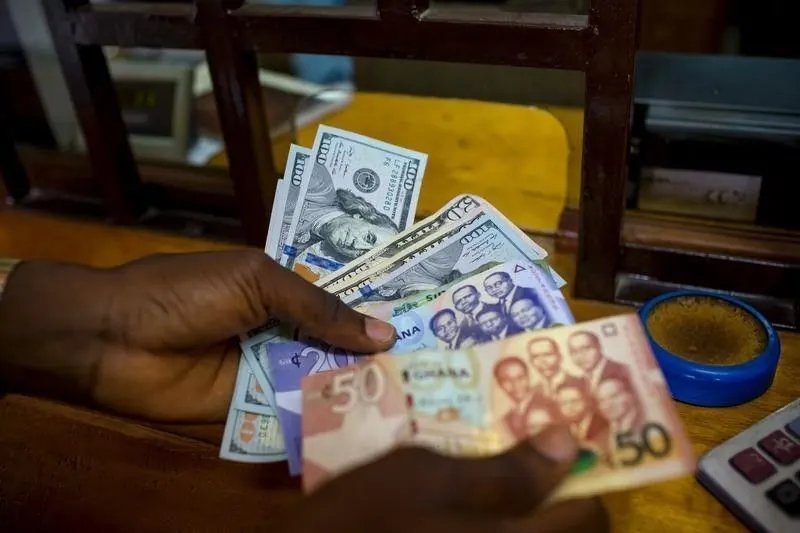
The main obstacle remains financing: African SMEs face a large credit gap, high borrowing costs and collateral that is hard to muster. The findings of several international institutions show that suitable instruments (leasing, factoring, partial guarantees, targeted grants) and better infrastructure (energy, roads, logistics) are priorities. Other levers include strengthening management capacity, access to regional markets through free trade areas, and easing regulatory procedures.
For entrepreneurs and investors, the opportunities are real and varied in 2025: agro-processing, solar, digital, health, EdTech and sustainable tourism stand out as sectors where SMEs can grow rapidly and create jobs. Turning these opportunities into large-scale success will, however, require a combination of patient capital, technical support and favourable public policy.
Writer: Khadidjatou BAWA ALLAH


Leave a Comment