
Luanda, 19 November 2025—PRESS AFRICA— Nearly half a century after its independence, Angola continues to have an ambiguous relationship with democracy. Between stated willingness to reform and the persistence of authoritarian practices, the southern African country is moving cautiously along the path of democratic governance.
A still fragile political pluralism
Since the end of the civil war in 2002, Angola has equipped itself with modern democratic institutions: a multiparty Constitution, a Parliament elected by universal suffrage, and a National Electoral Commission supposed to guarantee the transparency of the vote. However, the People's Movement for the Liberation of Angola (MPLA), in power since 1975, still dominates the political scene.
The 2022 general elections, narrowly won by President João Lourenço, revealed a more critical society and a galvanized opposition, notably with the UNITA party, led by Adalberto Costa Júnior. Although the vote was described as "broadly peaceful," several observers, including the European Union, noted a lack of fairness in access to the media and irregularities in the vote count.
Reforms and limits of the Lourenço administration
Having come to power in 2017, João Lourenço had promised an era of transparency, anti-corruption efforts and modernization of institutions. Some progress is undeniable: several relatives of former president José Eduardo dos Santos have been targeted by the courts, and Angola has begun a more liberal economic opening.
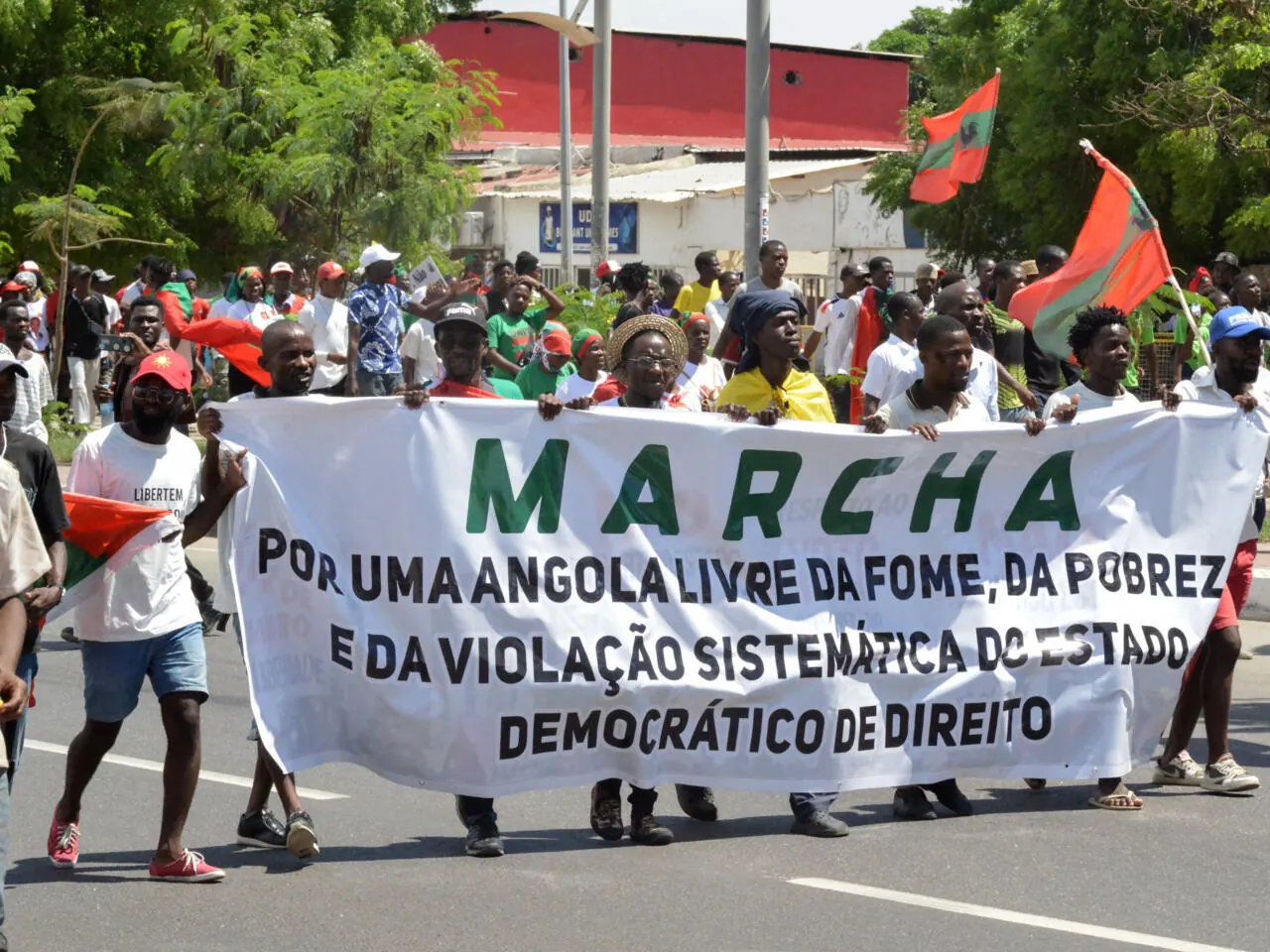
But politically, criticism persists. Civil society denounces the ruling party's continued grip on institutions and strict control of press freedom. Demonstrations are often repressed, and political activists or overly critical journalists face intimidation or arbitrary arrest.
Freedom of expression: a space under surveillance
Independent media exist in Angola, but their room for maneuver remains limited. Most of the major channels and newspapers are close to those in power or under the state's economic influence. Social media, increasingly used by Angolan youth, have become a new space for debate and protest, much to the dismay of the authorities, who are stepping up digital surveillance.
Human rights organizations, such as Amnesty International and Human Rights Watch, have repeatedly warned of growing restrictions on freedom of expression and the repression of peaceful gatherings.
A youth hungry for change
Nearly 65% of Angolans are under 30, a connected, educated generation increasingly demanding of its leaders. These young people are calling for more transparency, jobs and civic participation. Citizen movements, such as "Mudei!" ("I have changed"), are multiplying to encourage political engagement outside the MPLA's traditional system.
However, faced with disillusionment and unemployment, many still choose exile or abstention, a sign of a crisis of confidence in the political system.
An uncertain but hopeful future
Angola today stands at a crossroads. While the country has avoided the most extreme authoritarian excesses of some of its neighbors, it remains far from a consolidated democracy. The next elections, scheduled for 2027, will be a decisive test of the sincerity of the reforms undertaken by President Lourenço. International observers stress that the vitality of civil society and the political awakening of youth could, in the long term, profoundly transform Angolan political culture.
Writer: Saïd TESSILIMI

Leave a Comment